
You’re standing in a snowy parking lot in Edmonton, keys in hand for what looks like a great deal on a three-year-old truck. The seller points to the dashboard and says, “VIN’s clean, eh?” But what exactly is that 17-character code, and why does it matter so much when buying or owning a vehicle in Canada?
A VIN number explanation isn’t just technical trivia — it’s one of the most valuable pieces of knowledge any Canadian driver or buyer can have. That string of letters and numbers is essentially the fingerprint of your vehicle. It tells the full story: where and when it was built, what engine it has, safety features, and whether it’s hiding any unpleasant secrets. Understanding your VIN number properly can save you thousands of dollars and major headaches down the road.
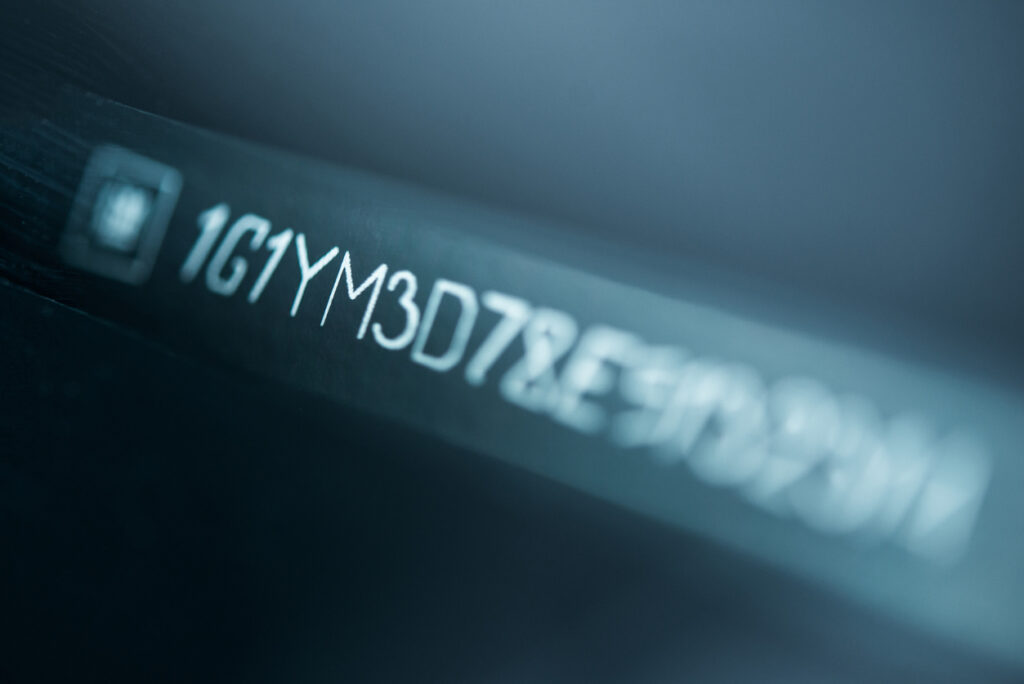
The Vehicle Identification Number, often called the chassis number in older documents, is a unique 17-character code assigned to every road vehicle manufactured since 1981. Before that, formats varied wildly by manufacturer, making them much harder to track.
Transport Canada and manufacturers worldwide adopted the standardized 17-digit format to improve safety tracking, theft recovery, and recall management. In Canada, the VIN is a legal requirement for vehicle registration, insurance, and border imports.
Think of it as your car’s DNA. Every single digit and letter has meaning — and once you know how to read it, you’ll never look at a vehicle the same way again.
Breaking Down the VIN Number Explanation: Position by Position
Here’s a clear VIN number explained structure that applies to almost every modern vehicle sold in Canada:
Positions 1–3: World Manufacturer Identifier (WMI)
This tells you who built the vehicle and in which country.
- 1G / 2G = General Motors (USA / Canada)
- JF = Honda (Japan)
- 1F = Ford (USA)
- WBA = BMW (Germany)
- VF = France, etc.
Positions 4–8: Vehicle Descriptor Section (VDS)
These digits describe the model, body style, engine, restraint system, and other key specs. This is where brand-specific differences shine.
Position 9: Check Digit
A mathematical verification code that confirms the VIN is valid.
Position 10: Model Year
A critical digit for buyers:
- J = 2018, K = 2019, L = 2020, M = 2021, N = 2022, P = 2023, R = 2024, S = 2025, T = 2026, and so on.
Position 11: Assembly Plant
Shows exactly which factory built it.
Positions 12–17: Serial Number
The unique production sequence number.
Brand-Specific VIN Number Explanation
Here’s how major brands structure their VINs — very useful for Canadian buyers who frequently shop Japanese, American, and European vehicles.
Toyota VIN Codes Explained
Toyota is known for extremely consistent and logical VIN coding.
- Position 1–3: Usually “JTE” (Japan) or “2T” (Canada — Woodstock, Ontario plant).
- Positions 4–8: Reveal the model platform and engine. For example, a RAV4 hybrid will have different codes from a gas-only version.
- Canadian-built Toyotas often start with “2” — a quick way to spot domestically assembled vehicles. This clarity makes Toyota one of the easiest brands to decode, especially helpful when verifying hybrid vs. gas models in provinces with emissions rules.
Honda VIN Explained
Honda uses a very detailed VDS section.
- Position 5–7 typically indicate the specific model and body style (e.g., Civic sedan vs. hatchback).
- Position 8 often reveals the engine code — crucial because the same model year can have different engines (1.5L turbo vs. 2.0L naturally aspirated). Honda VINs are particularly useful when buying used CR-Vs or Civics in Canada, as they help confirm whether the vehicle matches its advertised trim and engine.
Chevy VIN Numbers Explained / GM VIN Numbers Explained
General Motors has one of the most detailed VIN structures.
- Position 4–5: Model platform (e.g., Silverado 1500).
- Position 8: Almost always the engine code — extremely important for emissions compliance and parts matching.
- Canadian-built GM vehicles usually start with “2” or “3”. GM VINs are very helpful for truck buyers in Alberta and Saskatchewan, where diesel vs. gas versions have major differences in emissions equipment and resale value.
Ford VIN Numbers Explained
Ford’s VIN system is excellent for identifying safety and equipment levels.
- Position 7 often reveals restraint systems and cab/body configuration.
- Position 8 indicates engine type. For popular models like the F-150 and Escape, the VIN helps confirm whether the truck has the EcoBoost engine, 5.0L V8, or hybrid powertrain — information that significantly affects insurance, fuel economy, and parts availability in Canada.
BMW VIN Number Explained & Audi VIN Explained
German luxury brands pack an impressive amount of detail into the middle section:
- Positions 4–7 usually identify the exact model series and generation.
- Position 8 often reveals the engine code and drivetrain (xDrive, sDrive, quattro, etc.).
- Position 11 (plant code) is very useful — many BMWs in Canada were built in Germany, South Carolina (Spartanburg), or Austria. These VINs are complex but incredibly informative when buying certified pre-owned luxury vehicles.
Triumph VIN Numbers Explained
For classic motorcycle enthusiasts, Triumph uses a different pre-1981 system that is shorter and follows a unique factory code. Modern Triumphs follow the standard 17-digit format, but restorers often need to decode older frames carefully.
Why VIN Knowledge Matters More in Canada
Our country presents unique challenges that make understanding the VIN especially important:
- High number of cross-border imports (particularly in B.C. and Ontario)
- Provincial safety and emissions inspection programs
- Severe weather that accelerates wear on certain components
- Recall tracking — Transport Canada issues hundreds of recalls yearly
A proper VIN number check helps verify import status, open recalls, and whether the odometer reading is plausible for the model year.
How to Decode and Use Your VIN in Canada
- Locate the VIN on the dashboard (visible through the windshield), driver’s door jamb, and engine bay.
- Use our free Vehicle VIN Decoder for an instant breakdown.
- Run a full Vehicle VIN Check to see real-world data including recalls and history.
- Compare the VIN in multiple locations — mismatches are a major red flag.
Pro Tip: Always photograph the VIN before a test drive or purchase. It’s your best protection against odometer rollback or cloned vehicles.
Official Sources for VIN Regulations in Canada
For the most accurate legal information:
- Federal rules: Transport Canada – Vehicle Safety Standards
- Ontario: Ontario Ministry of Transportation – Vehicle Registration
- British Columbia: ICBC Vehicle Registration Information
- Alberta: Alberta Transportation – Vehicle Registration
- Quebec: SAAQ – Vehicle Identification
Final Thoughts: Make VIN Decoding a Habit
A solid VIN number explanation turns you from a hopeful buyer into a confident, informed one. Whether you’re looking at a Toyota, Chevy, BMW, Honda, or any other make on the Canadian market, that 17-character code holds the answers to the questions that actually matter — authenticity, history, compliance, and safety.
Take those few extra minutes to understand the VIN. In a country with our tough winters, long distances, and strict provincial rules, it’s one of the smartest things you can do as a driver or buyer.
What’s the first VIN you’re going to decode today?
FAQ
What does a VIN number tell you?
It reveals the manufacturer, country of origin, model year, engine type, safety features, and unique serial number.
Is the chassis number the same as the VIN?
Yes — “chassis number” is an older term often used interchangeably with VIN.
How do I read a Chevy VIN number or a Honda VIN number?
Use our VIN decoder tool — it automatically explains brand-specific codes in plain English.
Why should I check the VIN before buying?
To uncover open recalls, verify the year and specs, and avoid stolen or salvaged vehicles.
Can I decode any vehicle’s VIN on your site?
Yes — our Vehicle VIN Decoder works for virtually all makes and models sold in Canada.