
You park your truck in the same spot every night—same quiet street in Edmonton, same crunch of snow underfoot—and one morning it’s simply gone. No broken glass, no alarm, just an empty rectangle of pavement and that sick twist in your gut when you realize someone drove off with months (or years) of your life savings. That gut-punch moment has been far too common across Canada in recent years, driving the latest car theft statistics into the headlines and pushing insurance bills through the roof. Every second-hand shopper started wondering the same thing: Is this deal too good to be true, or is it actually stolen?

Fast-forward to early 2026, and the plot has twisted again. The numbers are finally bending the right way: police-reported motor vehicle thefts dropped 17% across 2024 according to Statistics Canada, then private passenger vehicle thefts plunged another 19.1% in the first half of 2025 per the Équité Association First Half 2025 Auto Theft Trend Report, with the steepest fall in Q1 at 23.3%. Toronto Police are reporting over 30% fewer thefts in their patch (actually ~34% year-to-date), the Canada Border Services Agency is seizing thousands at the border (2,277 in 2024 and over 1,590 in 2025), and the National Action Plan on Combatting Auto Theft is showing real teeth.
Relief, right? Almost.
Fresh Numbers: National Trends in Auto Theft Statistics
The turnaround is clear. Stolen car statistics Canada’s full-year 2024 report marks the first sustained decline after three years of climbs. The Équité Association First Half 2025 Auto Theft Trend Report shows 23,094 private passenger vehicles stolen January–June (down from 28,549), with recoveries edging up to 56.5%. Public Safety Canada credits coordinated ops and international alerts (over 3,900 processed in 2025).
Year-over-year:
- 2020–2021: Pandemic lows.
- 2022–2023: 50%+ surges in key regions.
- 2024: -17% nationally.
- First half 2025: -19.1%; Q1: -23.3%.
Claims ballooned 200% over the decade, but interventions are clawing ground back—though unrecovered rates signal thieves shifting to domestic dismantling.
Did You Know? White vehicles top theft lists—easy to blend in, tough for witnesses to describe.
Car Theft Statistics by Year: A Regional Breakdown
Provincial differences remain stark. Prairies lead rates, but even they eased in 2024. Ontario and Quebec drove the sharpest 2025 drops.
2024 police-reported rates (per 100,000) from StatCan, plus first-half 2025 trends from Équité:
| Province/Territory | 2024 Rate (per 100,000) | Change from 2023 | First Half 2025 Trend (vs. 2024) |
| Newfoundland and Labrador | ~150 | Varies | -9% |
| Prince Edward Island | ~120 | Varies | -9% |
| Nova Scotia | ~180 | Varies | -9% |
| New Brunswick | ~160 | Varies | -9% |
| Quebec | ~220 | -27% | -22.2% |
| Ontario | ~250 | -18% | -25.9% |
| Manitoba | 392 | -8% | -9.4% |
| Saskatchewan | 386 | -17% | -9.4% |
| Alberta | 376 | -9% | -9.4% |
| British Columbia | ~300 | -12% | -9.4% |
| Yukon | Lower (CSI 209) | -4% CSI | Minimal data |
| Northwest Territories | High CSI (527) | +9% CSI | Minimal data |
| Nunavut | High CSI (415) | -4% CSI | Minimal data |
| National Average | 239 | -17% | -19.1% |
Prairies hold high rates but are declining; Ontario/Quebec volume drops powered national gains. Territories show low absolute thefts but elevated overall crime indices.
Car Theft Statistics by Model: The Usual Suspects
Thieves target demand and vulnerabilities. The Équité Association 2024 Top 10 Most Stolen Vehicles list (released late 2025) crowns the Toyota RAV4 (2021) with 2,080 thefts.
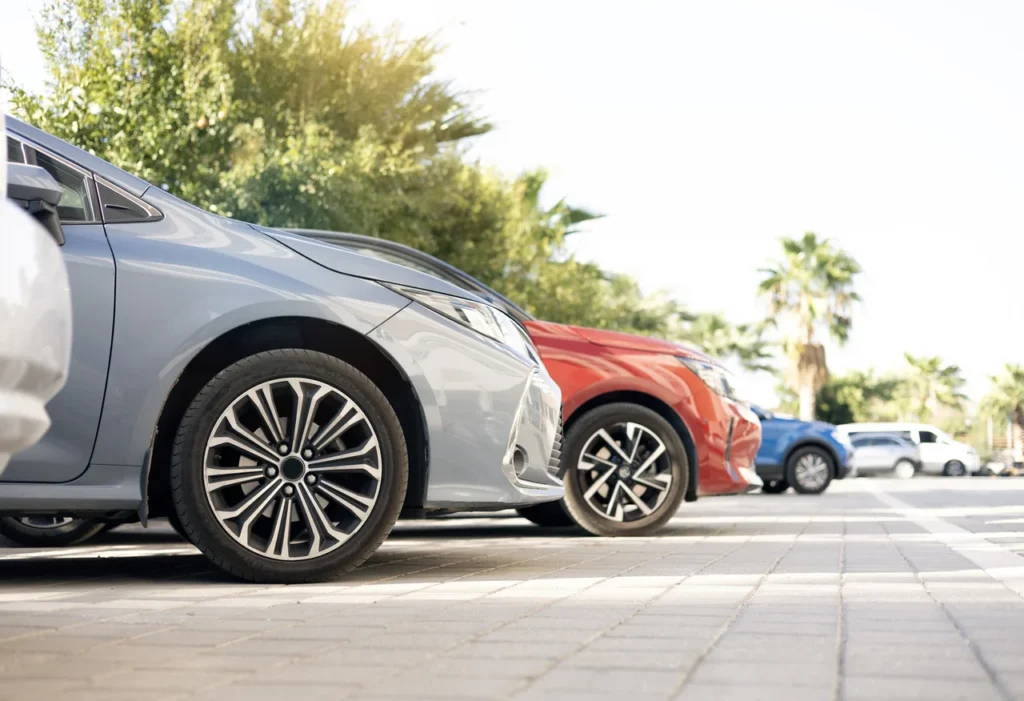
Top 10 most stolen in Canada (2024):
- Toyota RAV4 (2021) — 2,080
- Dodge Ram 1500 Series (2022) — 2,018
- Honda CR-V (2020) — 1,911
- Ford F-150 Series (2023) — 1,833
- Honda Civic (2020) — 1,797
- Jeep Wrangler (2023) — 1,491
- Chevrolet/GMC Silverado/Sierra 1500 — 1,192
- Toyota Highlander — 1,141
- Toyota Tundra — 1,129
- Lexus RX Series — 1,124
SUVs and trucks dominate, newer keyless models hit hardest.
How VIN Checks Cut Through the Stats
The national declines—19.1% in early 2025, 17% in full 2024—are welcome, but roughly 44% of stolen vehicles remain unrecovered. Those missing rides often reappear, altered or chopped for parts, as tariffs inflate prices and thieves pivot to domestic markets.
For everyday buyers, that means real exposure in private sales. A “clean” title can mask a stolen past until insurance denies or police seize. Imagine closing on a RAV4 (top stolen model) only to lose it weeks later. That’s the attention-grabbing risk: stats improve, but unrecovered vehicles recirculate.
Trends alone don’t protect you—police data misses private-sale blind spots. A VIN check peels back layers: theft flags, recovery status, duplicates, salvage brands tied to stolen recoveries.
That’s the desire: peace of mind. Hand over keys knowing there are no hidden liens, no theft warrant, and no odometer rollback from a chop-shop rebuild.

At vinnumbercheck.ca, start with the Vehicle VIN Check for quick authenticity against national registries. Follow with Check for Stolen to query RCMP-aligned hot lists. Add a full Car History Report for liens, salvage, and auction history—especially on high-theft suspects like RAV4 or F-150.
Pro Tip: On test drives, inspect dash, jamb, engine, and frame VINs—fresh rivets or mismatched fonts are instant red flags.
Don’t let falling vehicle theft statistics lull you into a false sense of security. The unrecovered slice is still out there, and private sales remain a channel for recirculation. Run a VIN check before cash changes hands—it’s affordable, fast, and the smartest move to protect your wallet and peace of mind.
Head to vinnumbercheck.ca now, punch in the digits, and drive forward confidently. In a market where stats improve but risks evolve, verification is the new standard.
The Road Ahead: Smarter Buying in a Cooling Crisis
Car theft statistics in Canada show real headway in 2025–2026: sustained drops, billions potentially saved. Yet model magnets and provincial hotspots demand caution.
One grounded note from the beat: As economic pressures and tariffs rise, thieves lean local—making VIN diligence your best shield against recycled trouble.
Eyeing that listing? Verify first. What’s your move when the numbers look good, but the risk feels real?