
You’ve found the perfect used SUV on a snowy Saturday in Calgary — low kilometres, clean interior, great price. Then the seller casually mentions it has an aftermarket lift kit, bigger tires, and a flashy exhaust. Suddenly, you’re wondering: Is this a smart upgrade or a hidden headache waiting to happen?
Aftermarket modifications are everywhere in Canada. From lifted trucks battling prairie winters to subtle LED upgrades on daily commuters in Vancouver, the aftermarket scene is thriving. The Canadian automotive aftermarket market was valued at roughly CAD 30 billion in 2025 and continues growing steadily as vehicle fleets age and owners seek personalization, better performance, or cost savings.

But here’s the straight talk from someone who’s seen plenty of modified rides over the years: not all aftermarket parts and upgrades are created equal. Some enhance your driving experience; others can void warranties, fail safety inspections, spike insurance rates, or even make the vehicle harder to resell. Here’s what every smart Canadian buyer needs to know before falling for that tempting aftermarket glow.
Aftermarket vs OEM: The Real Difference
OEM (Original Equipment Manufacturer) parts come straight from the car maker or their approved suppliers. They’re designed specifically for your model, tested to factory standards, and usually carry the vehicle’s remaining warranty.
Aftermarket parts are made by third-party companies. They range from budget replacements to premium performance pieces. The big advantage? Choice and price. Aftermarket accessories and upgrades often cost 20–50% less than OEM equivalents, and they frequently offer more options — everything from aggressive styling to improved cold-weather performance.
The downside? Quality varies wildly. Premium aftermarket brands can match or even exceed OEM durability in specific areas (better brake pads for track days, for example), while cheap no-name parts can fail prematurely, cause uneven wear, or trigger check-engine lights.
In Canadian conditions — harsh winters, salted roads, and huge temperature swings — fitment and material quality matter even more. A poorly made aftermarket suspension component might handle summer highways fine, but crack under freeze-thaw cycles on a Quebec backroad.
Did You Know? Many insurance companies treat certain aftermarket modifications as “modifications” that require disclosure. Failing to mention them can lead to denied claims after an accident.
Common Aftermarket Modifications Canadian Buyers Encounter
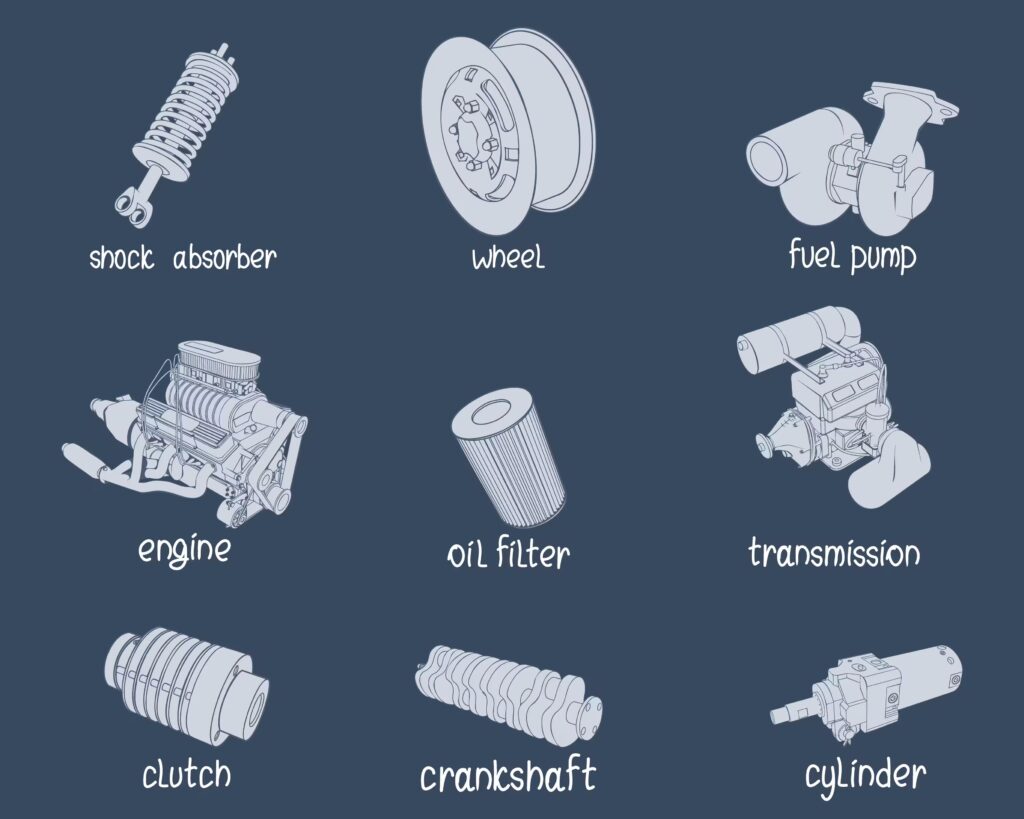
When shopping used, you’ll regularly see these popular aftermarket upgrades:
- Suspension and lift kits — Very common on trucks and SUVs for better ground clearance or an aggressive stance. Great for light off-roading or snowy rural roads, but excessive lifts can affect handling, headlight aim, and CV joint life.
- Wheels and tires — Larger rims with lower-profile tires or aggressive all-terrain treads. They look sharp and can improve traction, but oversized setups may rub fenders, throw off speedometer readings, and increase fuel consumption.
- Exhaust systems — Cat-back exhausts for better sound and slight power gains. Must retain factory catalytic converters to stay legal.
- Lighting upgrades — LED headlights, fog lights, or interior ambient lighting. Improved visibility is welcome on long winter nights, but illegal colours or overly bright auxiliary lights can earn tickets.
- Performance intakes and tuners — Cold-air intakes and ECU flashes for sharper throttle response. Popular on sporty cars, but it can affect emissions compliance.
- Aesthetic accessories — Spoilers, body kits, vinyl wraps, and window tint. These are mostly cosmetic, but tint and certain wraps have strict provincial limits.
Each of these aftermarket car mods can add real value when done properly — or create problems when they’re not.
The Risks Buyers Often Overlook
Here’s where many enthusiasts (and buyers) get caught:
- Warranty and resale impact — Major aftermarket modifications can void the remaining manufacturer’s warranty and make the vehicle harder to sell later. Some buyers specifically avoid heavily modified cars.
- Safety and inspection issues — Changes to suspension, brakes, or lighting often require provincial safety inspections. In Ontario or B.C., this can mean extra costs and potential orders to return the vehicle to stock.
- Insurance complications — Many policies require disclosure of aftermarket upgrades. Failure to declare them can result in claim denials.
- Emissions and legality — Any mod that affects emissions equipment is illegal under federal rules. Provinces with testing programs (parts of B.C. and Ontario) will fail the vehicle until corrected.
- Quality gamble — Cheap aftermarket parts can lead to premature failure, especially in Canada’s extreme climate.
A classic story I hear repeatedly: someone buys a used truck with a big lift and fancy wheels, only to discover during a safety inspection that the headlights are now aimed too high and the CV axles are wearing unevenly. The repair bill eats most of the money they “saved” on the purchase price.
How a VIN Check Helps When Evaluating Aftermarket Modifications
Before you buy any vehicle with visible aftermarket modifications, run a thorough VIN check. It reveals critical background that the seller might not mention:
- Open recalls (including emissions-related ones that could conflict with existing mods)
- Previous accident or salvage history that might explain why certain aftermarket parts were installed
- Accurate vehicle specifications so you can verify that the aftermarket upgrades actually fit properly
Our Vehicle VIN Check gives you a fast authenticity scan, while the full Car History Report flags recalls, service records, and potential red flags. It’s one of the quickest ways to avoid inheriting someone else’s problematic project.
Smart Questions to Ask Before Buying a Modified Vehicle
- Has the vehicle passed a recent safety inspection after the modifications?
- Are all aftermarket parts from reputable brands with proper certifications?
- Has the owner kept receipts and installation records?
- Does the modification affect emissions equipment or warranty coverage?
- Will your insurance company cover the vehicle with these changes?
Getting clear answers (and verifying them) can save you thousands down the road.
Final Advice: Buy Smart, Modify Wisely
The aftermarket world offers incredible opportunities for personalization and performance, but it demands respect for Canadian realities — our tough climate, strict safety standards, and patchwork of provincial rules.
The most satisfying aftermarket modifications are the ones that improve safety, reliability, or comfort without compromising legality or long-term ownership costs. Whether you’re adding practical winter-ready upgrades or tasteful styling touches, always do your homework first.
Run the VIN, ask the right questions, understand the difference between quality aftermarket parts and cheap imitations, and you’ll enjoy your customized ride for years instead of regretting it after the first winter.
So next time you see that eye-catching modified truck or sporty hatchback, pause and dig a little deeper. A few minutes of research can turn a potential headache into a vehicle you’ll genuinely love driving across this beautiful country.
What’s the first aftermarket upgrade you’re considering — or avoiding — on your next car?
FAQ
What do aftermarket modifications mean?
Aftermarket modifications are changes or additions made to a vehicle using parts from third-party manufacturers rather than the original car maker (OEM).
Are aftermarket parts as good as OEM?
It depends on the brand and application. High-quality aftermarket parts can match or outperform OEM in specific areas, while budget options often fall short in durability and fit.
Do aftermarket modifications affect insurance in Canada?
Many do. Significant changes usually need to be declared. Some increase premiums; safety-focused upgrades may qualify for discounts.
Can aftermarket accessories void my warranty?
They can, especially if the modification causes or is linked to a failure. Check with your dealer and keep detailed records.
Should I run a VIN check on a car with aftermarket modifications?
Absolutely. It reveals recalls, accident history, and specs that help you evaluate whether the existing mods were done properly and safely.