
Nothing quite captures the Canadian spirit like taking a reliable daily driver and making it your own. Whether it’s a lifted pickup ready for snowy backroads in Alberta or a subtly lowered Civic slicing through Toronto traffic, car modification has long been a favourite weekend pursuit from coast to coast. But in 2026, with stricter safety standards, emissions rules, and provincial variations, the line between cool custom auto and costly mistake is thinner than ever.
I’ve spent years behind the wheel and under the hood talking to builders, inspectors, and everyday enthusiasts. The truth is simple: smart car mods can make your ride safer, more fun, and even more practical for our mild Canadian climate. Dumb ones can leave you stranded at a safety inspection or facing surprise fines. Here’s a practical, no-nonsense guide to modifying your car the right way—without turning your passion project into a regret.
Why Canadians Love Car Modification (and Why Rules Matter)
From the rugged practicality of prairie trucks to the stylish daily drivers in Vancouver or Montreal, car customization reflects our love of making things work harder and look better in tough conditions. Aftermarket sales in Canada continue to grow steadily, driven by owners who want better winter performance, improved fuel economy, or just a touch of personality.
Yet federal and provincial rules exist for good reason. Transport Canada oversees national safety standards under the Motor Vehicle Safety Act, while provinces handle day-to-day enforcement through highway traffic acts. Emissions systems are especially protected—removing or tampering with catalytic converters or DEF equipment is illegal nationwide and can lead to hefty fines plus failed inspections in provinces that test for air quality.
The biggest reality check? Modifications that affect safety, emissions, lighting, noise, or vehicle height often require re-inspection. What’s perfectly fine in rural Saskatchewan might get you pulled over in downtown Vancouver or fail a Drive Clean test in the GTA.
Did You Know? In many provinces, even seemingly minor changes like oversized tires that stick past the fenders or overly loud exhausts can trigger mandatory safety inspections and potential orders to revert the vehicle to stock condition.
Best Legal Car Mods for Beginners
If you’re just starting with how to modify a car, focus on upgrades that improve daily life without triggering red flags. Here’s a deeper look at the most popular, practical, and fully legal options for Canadian drivers.
All-Weather Floor Mats and Cargo Liners
These are the unsung heroes of Canadian car modification. Heavy-duty rubber or thermoplastic mats trap slush, salt, and mud that would otherwise destroy your carpet and cause rust. Cargo liners do the same for trunks and truck beds. They’re inexpensive, easy to install yourself, and 100% legal everywhere. Brands like WeatherTech or Husky are favourites because they’re custom-moulded to fit specific models and survive -30 °C winters without cracking.
Quality Tires and Wheels
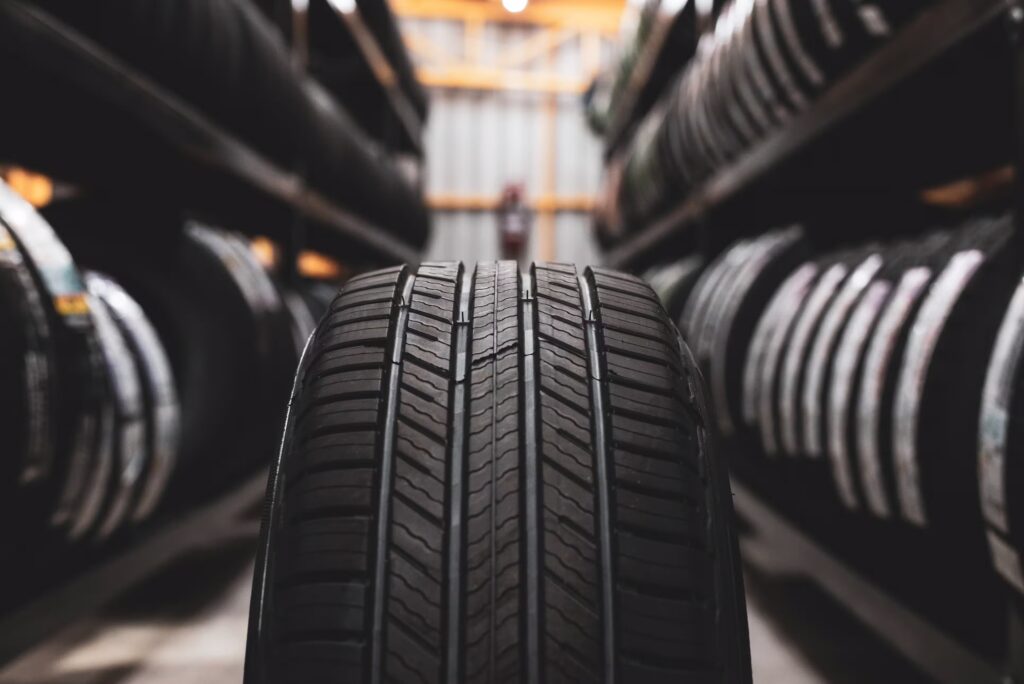
One of the best car mods for beginners. Upgrading to proper winter tires (or all-weather tires in milder climates) dramatically improves safety and handling. Choose wheels that keep the overall diameter close to stock so your speedometer and odometer stay accurate. Many drivers also add a spare set of steel wheels for winter to protect their summer alloys. Always ensure the new setup fits within the factory fender wells to stay street-legal.
Window Tint

Window tint is a hugely popular car customization choice for privacy and heat rejection, especially in summer. Most provinces allow a darker tint on rear windows while keeping strict limits on the front side windows and windshield (usually 70% light transmission or higher on the front). Check your local rules—Ontario and B.C. are stricter than Alberta or Saskatchewan. Professional installation with high-quality ceramic or carbon film gives the best results and avoids bubbling in extreme temperature swings.
Lighting Upgrades
Replacing factory halogen bulbs with quality LED or HID kits can dramatically improve night visibility on dark rural roads or during long winter drives. Stick to DOT-approved replacements and avoid illegal light bars, underglow, or coloured accent lights on public roads. Many drivers also add auxiliary fog lights or daytime running light upgrades that stay within legal brightness and colour limits.
Mild Suspension Improvements
A subtle drop with lowering springs or a modest lift kit can improve handling or ground clearance for light off-roading. Keep changes within 2–3 inches to avoid issues with headlight aim, bumper height, or CV axle angles. Anything more aggressive usually requires engineering certification and a provincial safety inspection. These mods are especially popular in the Prairies and B.C. interior, where roads can be rough.
Performance Air Intakes and Cat-Back Exhausts
Cold-air intakes and cat-back exhaust systems (that retain the factory catalytic converter) can sharpen throttle response and give a nicer sound without touching emissions equipment. These are among the safest performance car mods as long as they’re CARB/EPA-compliant or carry equivalent Canadian approval. Avoid full “cat-delete” systems—they’re illegal and will fail emissions testing.
Car Modification Laws in Canada: The Big Picture
Canada does not have one uniform national rulebook for car modification. Transport Canada sets federal safety and emissions baselines under the Motor Vehicle Safety Act, but provinces and territories enforce the day-to-day rules through their highway traffic acts and motor vehicle regulations. Any change that affects safety, emissions, noise, lighting, or structural integrity may require re-inspection and approval.

Key federal principles:
- You cannot disable or remove emissions-control equipment.
- Modifications must not compromise the vehicle’s ability to meet the original Canada Motor Vehicle Safety Standards.
- Significant structural or safety-related changes often require a professional engineer’s stamp.
Always inform your insurance company—some mods raise premiums, while safety-focused ones may qualify for discounts.
Ontario
Ontario is one of the stricter provinces. Significant mods (suspension, exhaust, lighting) often require a structural inspection at a Drive Clean or Ministry-approved facility. Window tint limits are tightly enforced, and loud exhausts can earn immediate tickets under the Highway Traffic Act.
British Columbia
B.C. ties many modifications to ICBC registration. Lifted or lowered vehicles frequently need a Commercial Vehicle Safety Alliance (CVSA) inspection. Emissions testing in the Lower Mainland and Fraser Valley makes any exhaust or intake work risky if it affects compliance. See ICBC guidelines.
Alberta
Alberta tends to be more relaxed for rural and recreational use, but cities like Calgary and Edmonton still enforce noise and lighting bylaws. Lifted trucks are common and generally accepted as long as headlights remain properly aimed and the vehicle passes a basic safety check. Alberta Transportation rules.
Quebec
Quebec’s SAAQ is strict on both safety and emissions. Any visible modification (exhaust, suspension, lights) usually requires a mechanical inspection before re-registration. Window tint rules are among the toughest in Canada.
Atlantic Provinces
Nova Scotia, New Brunswick, and Newfoundland & Labrador follow federal standards closely but have fewer dedicated emissions-testing programs. Still, safety inspections after major mods are mandatory, and loud exhausts are frequently cited by police.
Smart Steps for Safe and Legal Car Modification
- Research your province’s specific rules before buying parts.
- Choose quality, certified components from reputable brands.
- Use professional installation for anything affecting brakes, suspension, or electrical systems.
- Book a safety inspection when required.
- Tell your insurer about significant changes.
- Keep receipts and photos for future reference.
- Run a VIN check first using our Vehicle VIN Check or full Car History Report to ensure the base vehicle is clean.
How a VIN Check Fits Into Responsible Car Modification
Before investing in wheels, suspension, or performance parts, a quick VIN check confirms there are no open recalls (including emissions-related ones) that could make your mods illegal or pointless. Our Recalls section flags these issues instantly.
Final Thoughts: Modify Smart, Drive Proud
Car modification done right is one of the most satisfying ways to make your vehicle truly yours while respecting the realities of Canadian roads and regulations. Start small, stay legal, prioritize safety and emissions compliance, and you’ll enjoy years of trouble-free, personalized driving—whether you’re carving mountain passes in B.C. or hauling through prairie winters.
The key insight? The best custom auto builds aren’t the loudest or lowest—they’re the ones that still pass inspection, keep insurance happy, and put a smile on your face every time you turn the key.
So what’s your next mod? Run the VIN first, do it right, and enjoy the ride.
FAQ
Is car modification legal in Canada?
Yes, but rules vary by province. Safety, emissions, noise, and visibility mods are the most regulated.
What are the best car mods for beginners?
Floor mats, quality tires/wheels, window tint (within limits), and minor lighting upgrades are safe starting points.
Do I need to tell my insurance about car mods?
Always disclose significant changes. Some can raise premiums; others may qualify for discounts.
Can I modify my exhaust or suspension freely?
No—exhaust must meet noise and emissions standards, and suspension changes often require inspection if they alter ride height significantly.
How does a VIN check help with car customization?
It reveals open recalls, salvage history, and exact specs so your mods match the vehicle properly and avoid compliance issues.