
There’s a particular kind of dread that hits when the Service Engine Soon light flickers on during a long prairie drive, or when your friendly neighbourhood mechanic in Halifax shakes his head and says, “Looks like an open emissions recall.” Suddenly, that bargain you scored on Kijiji feels a lot less clever. In Canada, where winter cold starts, summer heat waves and vast distances push engines harder than almost anywhere else, an unresolved emissions recall isn’t just paperwork—it can mean failed Drive Clean tests in Ontario, denied insurance claims, or surprise repair bills that wipe out your winter tire budget.
Recent years have seen a steady stream of emissions-related campaigns, ranging from diesel particulate filter glitches in heavy-duty trucks to software updates in popular SUVs and sedans. With stricter federal standards and provincial air-quality rules tightening, manufacturers are under pressure to fix non-compliant vehicles. But here’s the rub: many owners never get notified, especially on used rides that have changed hands across provinces or borders. That’s where a targeted VIN check becomes the smartest move you can make before you sign anything.
Why Emissions Recalls Keep Popping Up in Canada
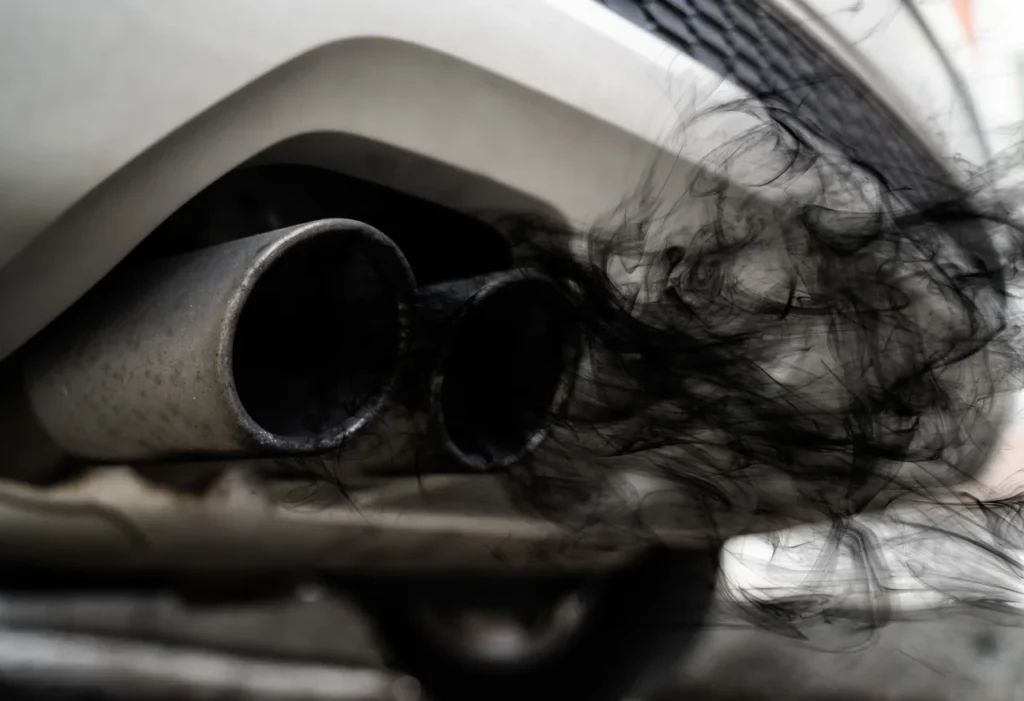
Emissions recalls target any component that allows a vehicle to release more pollutants than permitted under the Canadian Motor Vehicle Safety Regulations. Think faulty oxygen sensors, malfunctioning catalytic converters, defective EGR valves, or—most notoriously—defeat devices in diesel models that cheat NOx tests.
Transport Canada’s recall database logs hundreds of campaigns annually, many emissions-focused. Diesel pickups and SUVs often dominate headlines because of high NOx output, but gasoline models aren’t immune—software bugs can cause rich fuel mixtures, increased hydrocarbons, or evaporative emissions leaks.
In cold Canadian climates, these issues worsen: condensation freezes in exhaust systems, sensors fail faster, and short trips prevent full warm-up cycles needed for proper catalyst function. Add cross-border imports (common in B.C. and Ontario), and you get vehicles with U.S.-specific fixes that may not align with Canadian standards.
A unique Canadian wrinkle: provinces like B.C. and Quebec enforce annual or biennial emissions testing in certain zones. An open emissions recall can trigger an automatic fail, stranding you until it’s fixed—at the manufacturer’s expense, but only if you catch it.
Common Emissions Recall Headaches by Brand
Certain nameplates keep appearing in Transport Canada alerts:
- Chevy emissions recall campaigns often involve Silverado and Sierra diesels with DEF system faults or EGR cooler cracks—issues that spike NOx during highway cruising.
- Chrysler emissions recall and Dodge emissions recall notices frequently hit Ram 1500/2500/3500 EcoDiesel models; older Cummins-powered trucks have seen multiple software and hardware updates to meet NOx limits.
- Honda’s emissions recall actions target CR-V, Civic, and Accord models with fuel-pump or canister purge valve problems leading to hydrocarbon leaks.
- Volkswagen emission recall echoes linger from the infamous Dieselgate era, but newer TDI and gas models still see updates for catalyst efficiency or OBD monitoring glitches.
These aren’t rare edge cases. A single unresolved campaign can affect tens of thousands of Canadian vehicles, and used examples often slip through without disclosure.
Did You Know? In provinces with emissions testing (e.g., Lower Mainland B.C. or southern Ontario), an open recall can void your pass sticker—even if the vehicle otherwise runs clean.
The Hidden Dangers of Buying a Used Car
Picture this: You snag a low-km Ram 1500 diesel from a private seller in Regina. It drives beautifully, with no lights on the dashboard. Six months later, you get pulled over in Winnipeg for a random inspection, fail emissions, and face a $1,000+ repair bill because the recall software update was never applied. Or worse: your insurer discovers the open recall after a minor fender-bender and denies the claim, citing “known defect.”
Private sales are the biggest blind spot. Sellers rarely check recalls, and basic Carfax-style reports often miss Transport Canada-specific campaigns. Cross-province flips compound the problem—Alberta trucks heading to Ontario can carry unresolved issues from their home turf.
How VIN Checks Uncover Emissions Recall Trouble
A solid VIN check does what no casual glance or seller’s word can: it queries Transport Canada’s database directly and flags any open emissions campaigns tied to your exact vehicle.
The 17-digit code reveals:
- Active safety and environmental recalls
- Service campaigns for emissions components
- Whether previous owners completed the required fixes
At vinnumbercheck.ca, our Car History Report – Recalls pulls the latest federal data and highlights emissions-specific alerts in clear language. Start with a quick Vehicle VIN Check for basics, then dive deeper if anything flags.
For high-risk models (think older Dodge/Ram diesels or certain Honda CR-Vs), cross-reference with our Specs by VIN to confirm engine type and year—key details for matching recall applicability.
Pro Tip: Run the VIN before a test drive or deposit. Many dealers will knock off the recall fix as part of the sale if you spot it first.
Step-by-Step: Staying Ahead of Emissions Recall Risks
- Locate the VIN—dash, door jamb, or registration.
- Use our Vehicle VIN Decoder for a free snapshot.
- Pull the full recalls report to spot emissions flags.
- Verify against Transport Canada’s official site.
- If active, book a free dealer repair immediately.
- Re-check every 6–12 months, especially before selling or long trips.
This habit takes minutes but saves headaches, fines, and failed tests.
Transport Canada emphasizes owners should act promptly on recalls—see their vehicle defects and recalls page for more. Provincial sites like Ontario’s recall notices add local context.
Wrapping Up: Make Emissions Recall Checks Routine
An unresolved emissions recall is more than an inconvenience—it’s a compliance issue that can strand you at a test station or ding your resale value. With Canadian winters stressing exhaust systems and provinces cracking down on air quality, ignoring these campaigns is like skipping rustproofing in Atlantic Canada: you might skate by for a season, but the damage catches up.
The smartest Canadian drivers treat VIN checks like oil changes—regular, non-negotiable maintenance for the modern vehicle. Before your next used-car hunt or annual tune-up, run the digits. Your wallet, your lungs, and the environment will thank you.
So, what’s the first VIN you’re checking this week?
FAQ
What is an emissions recall?
It’s a manufacturer fix for components that let a vehicle exceed Canadian pollution limits—free at dealers, but only if caught.
Do emissions recalls affect used vehicles in Canada?
Yes—open recalls transfer with the VIN. Provinces with testing can fail you until fixed.
How do I check for a Chevy emissions recall or a Dodge emissions recall?
Enter the VIN in our recalls tool—it flags brand-specific campaigns instantly.
Are Volkswagen’s emission recall issues still active?
Lingering Dieselgate fixes continue, plus newer gas models for catalyst or OBD problems.
Why use a VIN check over manufacturer sites?
It aggregates Transport Canada data in one spot, often faster and easier for multiple vehicles.